
More Than a Meal: Why the Table is the Heart of the Intentional Home
If I had a nickel for every time a woman in my chair sighed and said, “I just feel like we’re disconnected,” I could probably retire. We are more “connected” than ever through our phones, yet we are starving for real, face-to-face relationships.
I firmly believe that the most under-utilized tool for family ministry isn’t a program or a book—it’s your kitchen table.
In a world that tells us to go faster, the Table invites us to slow down. In a culture that says “self-care” is a spa day, I believe true soul-care is found in the breaking of bread and the sharing of life.
The Bread of Life at Your Table
The Bible doesn’t just mention food; it uses it as a primary language for how God cares for us. Jesus didn’t just teach in synagogues; He taught at tables. He fed the five thousand, He sat with sinners over a meal, and He chose a supper to establish the New Covenant.
In John 6:35, Jesus says:
“I am the bread of life; whoever comes to me shall not hunger, and whoever believes in me shall never thirst.”

Just like our physical bodies begin to fail without daily bread and water, our spirits and our families begin to wither without the “Living Water.” When we prepare a meal for our families, we are participating in an act of worship. We are modeling the way Jesus sustains us. Every time you chop a vegetable or set a plate, you are ministering to the physical and spiritual needs of those you love.
The Science of Sitting Down: Why It Matters
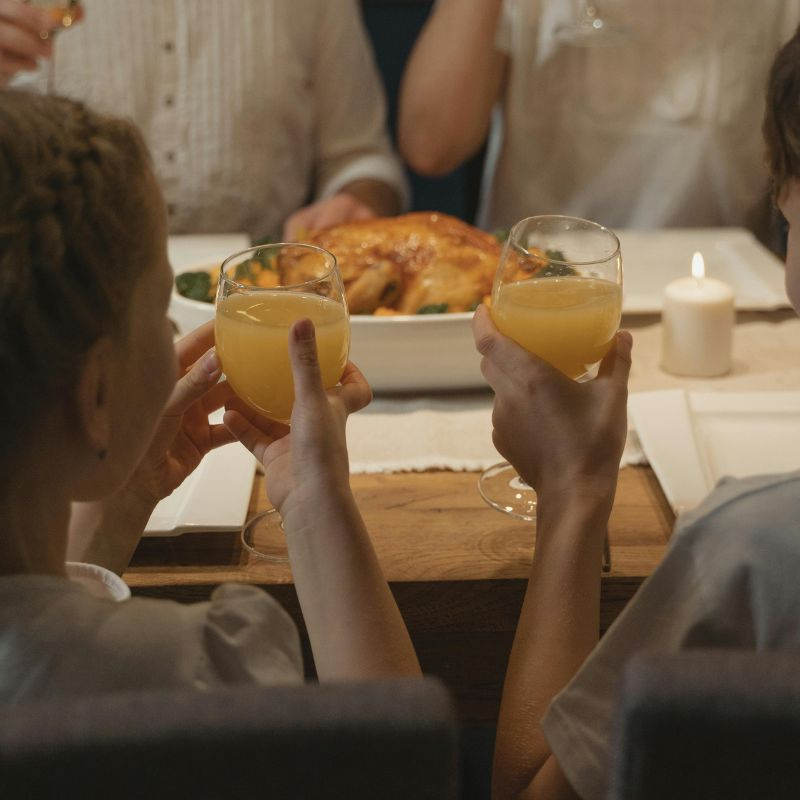
I know it’s tempting to think that a quick burger in the car on the way to practice is “good enough,” but the data tells a different story. The simple act of sitting down together for a meal is one of the most powerful predictors of a child’s well-being.
According to decades of research from The Family Dinner Project (associated with Harvard) and the National Center on Addiction and Substance Abuse, regular family dinners lead to:
| Benefit Category | The Impact of Regular Family Meals |
| Academic Success | Children who eat with their families 5–7 times a week are twice as likely to get A’s in school. |
| Mental Health | Significant decrease in rates of depression, anxiety, and eating disorders in adolescents. |
| Resilience | Kids have a stronger sense of “belonging” and a higher ability to handle stress. |
| Physical Health | Better nutritional choices and lower rates of obesity into adulthood. |
Sources: The Family Dinner Project – Food for Thought; Columbia University CASASA Report
It’s not the food that’s doing the magic—it’s the connection. It’s the eyes meeting across the table, the “chatting” about the day, and the safety of a shared rhythm.
Cooking as a Ministry
As homemakers, we often get bogged down in the “to-do” list. But what if we shifted our perspective?

The Table is a Sanctuary: It’s where we shut out the world.
Feeding is Intercession: As you cook, you can pray for the people who will eat that food.
Simple is Sacred: It doesn’t have to be a four-course gourmet meal. Jesus fed people fish and bread on a hillside. It’s the presence that matters, not the price tag.
If you want to help your family reconnect, start by reclaiming your table. Put the phones in a basket, light a beeswax candle, and remember that you aren’t just serving dinner—you are serving the Bread of Life.
Let’s stop “grabbing a bite” and start using our kitchen tables to their full potential!
Let me know in the comments below your family’s favorite meal.
♡ Kim